Reduce Plastic Use
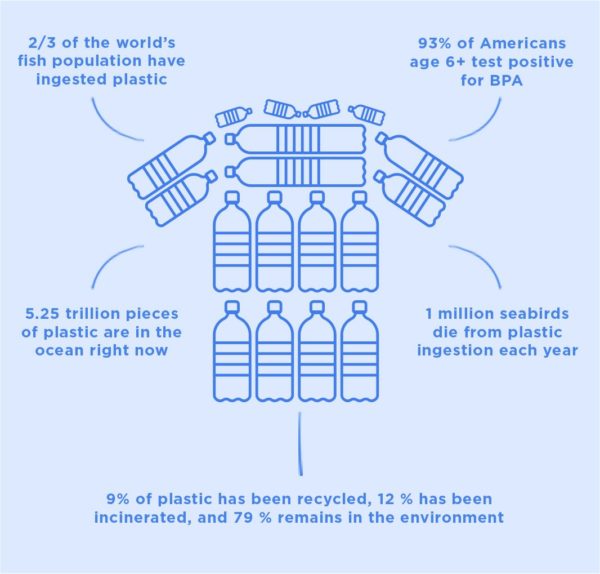
Single-use plastics are used for mere minutes, yet they live on for hundreds of years. Plastic is fast becoming the fatal food of marine animals, impeding their movement or filling up their stomachs. Plastic adsorbs toxic persistent organic pollutants, which make their way up the food chain into the seafood we eat. The problem will only keep getting worse, as plastic bits are on pace to outnumber fish in the ocean by 2050 or before.
But you can make a difference!
Take our single-use plastics pledge. For one month, switch from using a single-use plastic item to a durable one (or none at all). We’re hoping it becomes a lifelong habit.
As Jackie Nuñez, advocacy and engagement manager at the Plastic Pollution Coalition says, “The most valuable takeaway from the single-use plastic straw reduction and single-use plastic ban movement is that the solution is not a ‘better disposable,’ but the fundamental refusal of disposability itself.”
Reducing Plastics in the Kitchen 101: Simple Swap to Protect Your Health
Read this blog from the Plastic Pollution Coalition to start your journey toward a plastics-free kitchen environment.
Reducing Plastics When You Travel
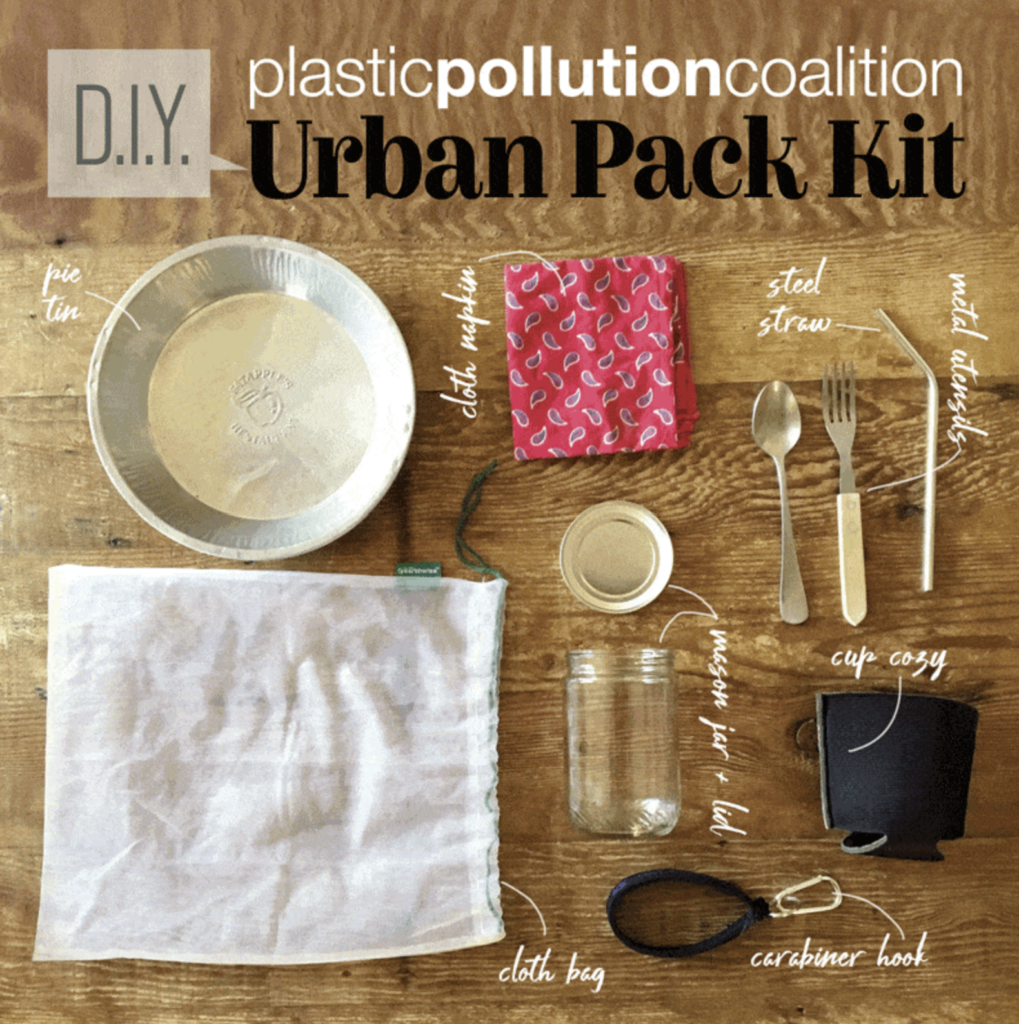
The Plastic Pollution Coalition encourages you to “[m]ake your own Urban Pack Kit with items you already have lying around the house to create a one-bag plastic-free solution to eating and drinking on the go. Inspired by backpackers’ mess kits, the Urban Pack Kit is affordable to make, lightweight to carry, and easily clips onto or slips into a backpack for traveling in more urban (or suburban) places.”